

It might be the Year of the Rabbit but at Cultural Keys we’ve been inspired by our rescue dogs, Teddy, Mr. Percy and the wheelie bin puppies, to look in more detail at the dog in Chinese history, art and legend. In this article series, we’ll look at different aspects of the dog in traditional Chinese culture as well as introduce you to a few special pups who need your help!
In this article, we’ll look at dogs that have been found in tombs.

Tombs are one of the key ways Chinese archaeologists and historians learn about Chinese history, and thousands of them have been excavated all over the country. They often contain dogs, either their remains or figurines of dogs.
Tombs from the period 206BC-907AD, approximately a thousand years spanning the Han to the Tang Dynasties, were filled with objects for the deceased to use in the afterlife, called burial/grave goods by archaeologists, 明器 míngqì in Chinese. The ones that remain are made from ceramic, bronze and stone, but likely items made of cloth, silk and wood were included too and have not survived. Mingqi were both for practical use in the afterlife- models of servants, miniature farms, horses etc – and ceremonial use – vessels and other objects used to perform rituals for example.

Ceramic representations of dogs are often found in tombs, and they had the job of both protecting and providing companionship to the deceased. They are often shown with open mouths, as if growling or barking in order to keep people or evil spirits away. Some of them wear harnesses, so perhaps they needed to be tied up like a guard dog would be, and collars, indicating that they were owned by a wealthier family. Most of these figurines were mass produced and in some cases the features, such as ears and tails, were applied separately to the body. They were usually colourful, either glazed or painted.

Prior to the start of the Han Dynasty, live horses, dogs and even people had been interred in tombs with the deceased. In the Shang and Zhou Dynasties (1600-256 BC), sacrifices were made both to spirits and the ancestors. These sacrifices weren’t always on a large scale: there is evidence of a trend in the Shang Dynasty for progressively smaller mingqi and sacrifices, as they might have been more affordable for ordinary people. Perhaps reflecting this trend, about one-third of the graves at a Shang burial ground near Anyang in Henan included a puppy (specifically not an adult dog) buried under the coffin. They may have symbolised youth, or had connections with the weather and the cardinal directions.
Not all of the remains of dogs found in tombs were sacrifices. The earliest known burial of a dog in its own tomb is from the Xin Dynasty (9-23 AD). A dog was found in a coffin of her own in the tomb of Marquis Yi of Zeng in Wuhan, and dogs wearing gold collars were found in the tomb of the King of Zhongshan, both from the Warring States Period (c. 475-221 BC). These animals may have been faithful companions or prized hunting dogs. Texts from the Han Dynasty and slightly later show that faithful dogs were rewarded with a good burial when they died, and discuss how to appropriately bury horses and dogs. Whether or not this was a common occurrence is unknown, but the texts show that it wasn’t considered unusual.

Although the thought of sacrificing animals fills us with horror today, we can take comfort that it seems to have fallen out of favour once societies became more sophisticated, with the replacement of most live sacrifices with mingqi around 2000 years ago. And you can do your part to reduce the suffering of animals today by donating to rescuers or adopting a puppy of your own. Below we introduce you to a few Beijing pups in need of your love and support. Please use the QR codes to contact the rescuers through WeChat for more information about these cuties. PS. Furry Tales has a lot more pups than are listed here!


Sources:
https://www.cambridge.org/core/journals/journal-of-the-royal-asiatic-society/article/from-tombkeeper-to-tomboccupant-the-changing-conceptualisation-of-dogs-in-early-china/AFB1D28D42EB7C1E54BD2EC41BEBCF8D
https://exchange.umma.umich.edu/resources/25139/view
https://www.metmuseum.org/toah/hd/mgqi/hd_mgqi.htm
https://www.metmuseum.org/art/collection/search/700572
https://smarthistory.org/reframing-art-history/death-material-culture-early-china/
https://www.discovermagazine.com/planet-earth/understanding-the-sacrificial-puppies-found-in-shang-dynasty-graves
https://en.wikipedia.org/wiki/Mingqi
Have you seen any mingqi dogs online or in museums? What’s your favourite? Let us know in the comments below. We would love to hear your thoughts and insights on traditional Chinese culture!

Contact Us

Stay up-to-date with the latest offers, information and events from Cultural Keys. Follow our Official WeChat Account by scanning the QR code (click for larger image), or follow us on Facebook, Instagram or LinkedIn to be the first to know!
For more information about anything on this page, or for more information about Cultural Keys, please contact us or use the form below to let us know your specific requirements.
Recent Posts





Mouseover to see left and right arrows
Upcoming Events

Mouse-over to see left and right arrows
About Cultural Keys Chinese Culture Company
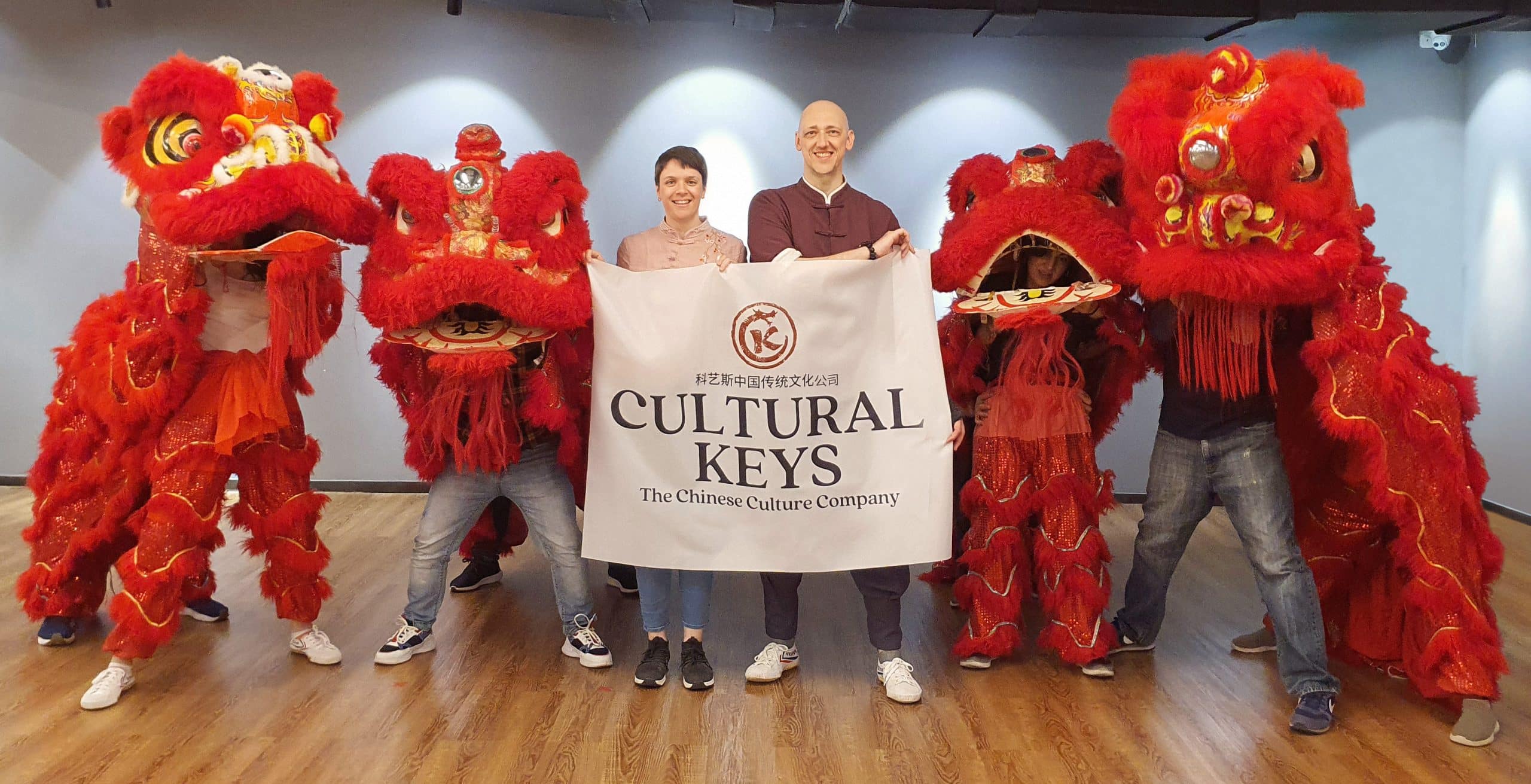
Cultural Keys helps you access, understand and enjoy life in China through traditional Chinese culture. Click here to read more about Cultural Keys and what we can do for you, your school, company or group to help you get more out of your time in China!